

What Happens During a Professional Piano Appraisal?
Whether you’re planning to sell your piano, insure it, donate it, or simply find out what it’s worth, a professional piano appraisal can give you a clearer understanding of the instrument’s true value. Many piano owners assume an appraisal is just a quick estimate, but the process is usually far more detailed. A proper appraisal considers the piano’s condition, age, brand, performance, and current market demand before assigning a value.
What Is a Piano Appraisal?
A piano appraisal is a professional assessment of a piano’s value at a specific point in time. Depending on the reason for the appraisal, that value may be used for resale, insurance, estate planning, donation, or personal records. Appraisals are typically performed by experienced piano professionals who understand both the instrument itself and the market surrounding it.
The goal is not just to assign a number. A good appraisal explains what factors affect the piano’s value and how that conclusion was reached.
The Inspection Process
A professional piano appraisal usually begins with a close inspection of the instrument. The exterior is examined first, including the cabinet, finish, legs, pedals, and overall appearance. Scratches, dents, fading, water damage, and structural wear are all taken into account. While cosmetic issues do not always affect how a piano sounds, they can still influence its resale value.
The interior is also inspected carefully. This may include the strings, tuning pins, soundboard, bridges, hammers, action parts, and other mechanical components. Signs of wear, rust, cracks, looseness, or previous repairs can all affect the final assessment.
Evaluating Performance and Touch
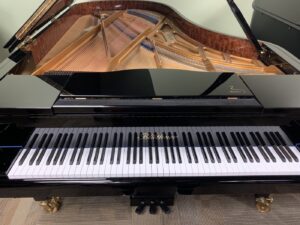
A piano’s value is not based on appearance alone. Playability and tone are major parts of the appraisal process. The appraiser will often test the keyboard across its full range to evaluate how evenly the piano responds and how well it produces sound.
Tone quality, sustain, touch, key response, and pedal function all matter. A piano with a clear, balanced tone and responsive action will usually hold more value than one with dull sound, uneven touch, or mechanical issues. Even if a piano looks attractive on the outside, weak performance can significantly reduce its value.
Identifying the Brand, Model, and Age
Another important step is identifying the piano correctly. The serial number is typically used to determine the instrument’s age, manufacturing period, and origin. This helps confirm the brand, model, and approximate production year.
That information matters because some manufacturers are more desirable than others. Certain model lines and production periods may also carry more value because of their reputation for quality and craftsmanship. Age alone does not make a piano more valuable. In many cases, an older piano may require substantial work, while a newer or better-maintained instrument may be worth more.
Understanding Market Value
After inspecting the piano and identifying its background, the appraiser considers the current market. This is one of the most important parts of the process. A piano is only worth what buyers are realistically willing to pay in the current market, not what it originally cost or what the owner hopes to receive.
To determine value, the appraiser may look at recent comparable sales, brand reputation, model desirability, condition, and the amount of repair or restoration the piano may need. Demand can vary widely depending on the piano’s type, size, age, and overall condition.
Different Types of Appraised Value
Not all appraisals serve the same purpose, so the type of value being assigned can vary. Fair market value usually reflects what a buyer would reasonably pay in a private sale. Replacement value is often higher and is commonly used for insurance purposes, since it reflects the cost of replacing the piano with a similar instrument.
Understanding the purpose of the appraisal matters because it affects both the evaluation itself and how the final number should be used.
Why a Professional Appraisal Matters
A professional appraisal helps piano owners make better decisions. If you are selling, it can help you avoid overpricing or undervaluing the instrument. If you are insuring it, it provides a stronger basis for coverage and documentation. If you are deciding whether to repair, restore, donate, or keep the piano, an appraisal can help you understand whether additional investment makes sense.
Just as importantly, it gives you a more objective view of the piano’s condition and worth. Instead of relying on assumptions or sentimental value, you get a professional opinion based on the instrument itself and the current market.
Piano Appraisal Services at Rogers Piano
At Rogers Piano in Natick, MA, we help piano owners better understand the value of their instruments through careful evaluation and experienced guidance. Whether you are preparing to sell, insure, donate, or simply learn more about your piano, our team can help you move forward with greater clarity and confidence.
Contact Rogers Piano today to learn more about professional piano appraisal services and how we can help you make informed decisions about your instrument.


