


How Long Does a Piano Last?
Buying a piano is often seen as a long-term investment, and for good reason. A well-built instrument can provide decades of enjoyment, and in some cases, even last for generations. Still, many buyers and owners ask the same question: how long does a piano last? The answer depends on several factors, including the type of piano, how it is used, and how well it is maintained over time.
Average Lifespan of a Piano
The lifespan of a piano varies by type. Upright pianos typically last between thirty and fifty years before they begin to show signs of serious wear, while grand pianos can last fifty to one hundred years or more when properly cared for. Digital pianos have a shorter lifespan, usually between ten and twenty years, due to the nature of electronic components. It’s important to understand that these ranges are not fixed limits. A high-quality acoustic piano that is regularly maintained can perform well far beyond these averages. 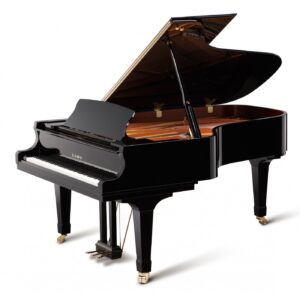
What Affects a Piano’s Lifespan
Several factors influence how long a piano will last. Build quality is one of the most important. Pianos made from high-quality materials with solid craftsmanship tend to age much better than lower-end models. The environment also plays a major role. Pianos are sensitive to humidity and temperature changes, which can cause wood components to expand or contract. Over time, this can affect tuning stability and structural integrity.
Usage is another key factor. A piano that is played heavily every day, such as one in a school or performance setting, will experience more wear than one used occasionally at home. Regular maintenance also has a significant impact. Tuning, cleaning, and periodic servicing help preserve the instrument and prevent minor issues from becoming major problems.
Can a Piano Last Forever?
While no piano lasts forever in its original condition, many can be restored to extend their life. Restoration can include replacing worn hammers, restringing, repairing the soundboard, or rebuilding the action. For high-quality instruments, especially grand pianos, restoration can add decades of life and bring the piano back to excellent playing condition. However, for lower-quality or heavily neglected pianos, restoration may not be cost-effective compared to replacing the instrument.
Signs Your Piano May Need Replacement
Over time, even a well-maintained piano may begin to show signs of aging. These can include difficulty holding a tune, uneven key response, visible cracks in the soundboard, or a dull and inconsistent tone. If repairs become frequent or costly, it may be more practical to consider upgrading to a newer instrument. A professional evaluation can help determine whether your piano still has life left in it or if it’s time to move on.
How to Extend the Life of Your Piano
Taking care of your piano is the best way to ensure it lasts as long as possible. Keeping it in a stable environment, away from direct sunlight and temperature extremes, helps protect the internal components. Regular tuning, usually once or twice per year, maintains proper string tension and sound quality. Professional inspections can catch small issues early and prevent long-term damage. With consistent care, a quality piano can remain a reliable and enjoyable instrument for decades.
Find Long-Lasting Pianos at Roger’s Piano
At Roger’s Piano in Natick, MA, we offer a selection of high-quality upright and grand pianos built to stand the test of time. Whether you are looking for a new instrument or a carefully restored pre-owned piano, our team can help you choose an option that delivers long-term value and performance. Visit our showroom or contact us today to learn more about pianos that are designed to last.


