


What Is a Studio Piano?
When shopping for an upright piano, you’ll often hear terms like spinet, console, studio, and full upright. If you’re wondering what sets a studio piano apart, you’re not alone. Studio pianos are a favorite choice for teachers, students, and anyone who wants a rich sound in a more compact form than a grand piano. In this article, we’ll explain exactly what this type of piano is, how it compares to other upright styles, and why it could be the perfect addition to your home or teaching studio.
Defining the Studio Piano
A studio is a type of upright piano known for its taller cabinet and larger soundboard. Most studio pianos range from 45 to 48 inches in height, which is noticeably taller than consoles and spinets. This extra height isn’t just for looks. It allows the piano to have longer strings and a bigger soundboard, two factors that give it a fuller, richer tone that feels much closer to a baby grand. 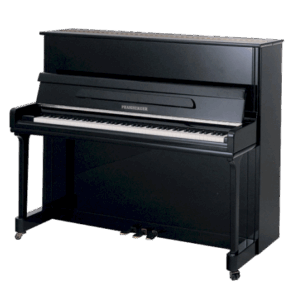
Why Choose a Studio Piano
Excellent Sound Quality:
The most important advantage of a studio piano is its resonant, powerful sound. Thanks to the larger soundboard, the bass notes have more depth, and the treble remains clear and bright. This makes these pianos a popular choice in music schools, practice rooms, and homes where music is an important part of daily life.
Durable Construction:
Studio pianos are built to withstand frequent playing and regular use. Many models feature robust cabinetry and high-quality action parts designed to last for decades.
Space-Saving Design:
Unlike baby grand pianos, studio uprights fit neatly against a wall. They offer professional-level tone in a size that works well in apartments, music studios, or smaller living rooms.
Studio Piano vs. Console Piano
It’s easy to confuse a studio with a console piano, but there are clear differences. Console pianos are typically shorter, averaging 40 to 43 inches tall, with shorter strings and a smaller soundboard. While consoles can still produce beautiful tone, they don’t offer the same level of projection and richness that a studio piano provides. Studio pianos also have a more responsive action, which helps students develop good technique and makes the playing experience feel closer to a grand piano.
Who Should Consider a Studio Piano
A studio piano is an excellent choice for serious students and teachers who value clear tone and consistent playability. It is also ideal for anyone who wants an instrument that will last for decades with proper care. If you have room for an upright piano and prefer a fuller, more powerful sound than a console or spinet can provide, a studio piano offers the best of both worlds. Its traditional look and durable construction make it well suited to daily practice, lessons, or simply enjoying music at home.
Care and Maintenance
To keep your piano sounding its best, plan to tune it at least twice a year and protect it from direct sunlight and humidity fluctuations. A stable indoor environment will help preserve the wood, strings, and internal components. Scheduling occasional professional cleanings and inspections also goes a long way toward extending the life of the instrument. With proper care, a studio piano can remain a reliable, beautiful part of your home or studio for generations.
Explore Studio Pianos at Roger’s Piano
At Roger’s Piano in Natick, MA, you’ll find a wide selection of studio pianos from respected brands known for quality and craftsmanship. Our team is here to help you compare models, understand the differences, and choose the perfect piano for your goals and your space. Visit our showroom or call us today to experience the sound and feel of a studio piano firsthand.


