


The Difference Between Grand and Baby Grand Pianos
If you’ve ever walked into a piano showroom, you’ve likely seen a variety of grand pianos – some stretching across the room, others more compact and refined. Two of the most popular options are the grand piano and the baby grand piano. While they may look similar at a glance, there are key differences in size, sound, and purpose that can impact your decision.
Let’s break down what separates these two types of instruments and help you determine which one is right for your space and musical goals.
Size – The Most Obvious Difference
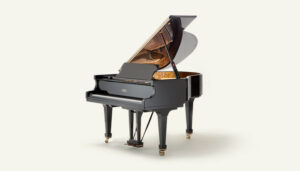
The main difference between grand and baby grand pianos is size.
- A concert grand piano typically measures between 7 to 9 feet in length.
- A baby grand piano usually ranges from 4’11” to 5’6”.
That difference in length affects everything from sound projection to where the piano can comfortably fit. Baby grands are designed to offer the aesthetic and musical benefits of a grand while being more practical for homes and smaller venues.
Sound Quality and Tonal Depth
Size doesn’t just affect looks, it also impacts sound. The longer strings and larger soundboard in a full grand piano create a richer, more resonant tone, especially in the bass register. This is why grand pianos are preferred for concert halls and professional recordings.
That said, baby grands still deliver beautiful, full-bodied sound, far superior to most uprights, making them ideal for serious hobbyists, instructors, and those looking for visual impact without compromising too much on tone.
Price Considerations
In general, baby grand pianos are more affordable than larger grands. The price difference reflects not only size but also the complexity of design and intended performance level. If you’re looking for a grand aesthetic and solid performance without the premium price of a concert grand, a baby grand is a smart investment.
At Roger’s Piano, we carry a wide selection of both grand and baby grand pianos at various price points, including new and pre-owned options.
Space Requirements and Home Use
Before choosing, it’s essential to consider your available space. A grand piano needs significantly more floor space – not just for the instrument, but also for bench placement and clearance for the lid when open.
A baby grand, while still a large instrument, is designed to fit more comfortably in living rooms, music studios, or apartments where both acoustics and aesthetics matter.
Which One Is Right for You?
Choose a grand piano if:
- You’re a professional performer or serious student.
- You have a large performance space or music room.
- You want maximum tonal richness and volume.
Choose a baby grand piano if:
- You have limited space but still want a grand appearance.
- You’re an intermediate player or dedicated hobbyist.
- You want a more affordable yet high-quality option.
Try Them Side by Side at Roger’s Piano
At Roger’s Piano in Natick, MA, we offer both grand and baby grand pianos from respected brands like Brodmann, Estonia, and many others. Whether you’re seeking European craftsmanship or looking for the perfect fit for your home, our expert team will help you compare models in person, answer all your questions, and find the piano that feels just right.
Visit our showroom or call us today to experience the difference for yourself.


